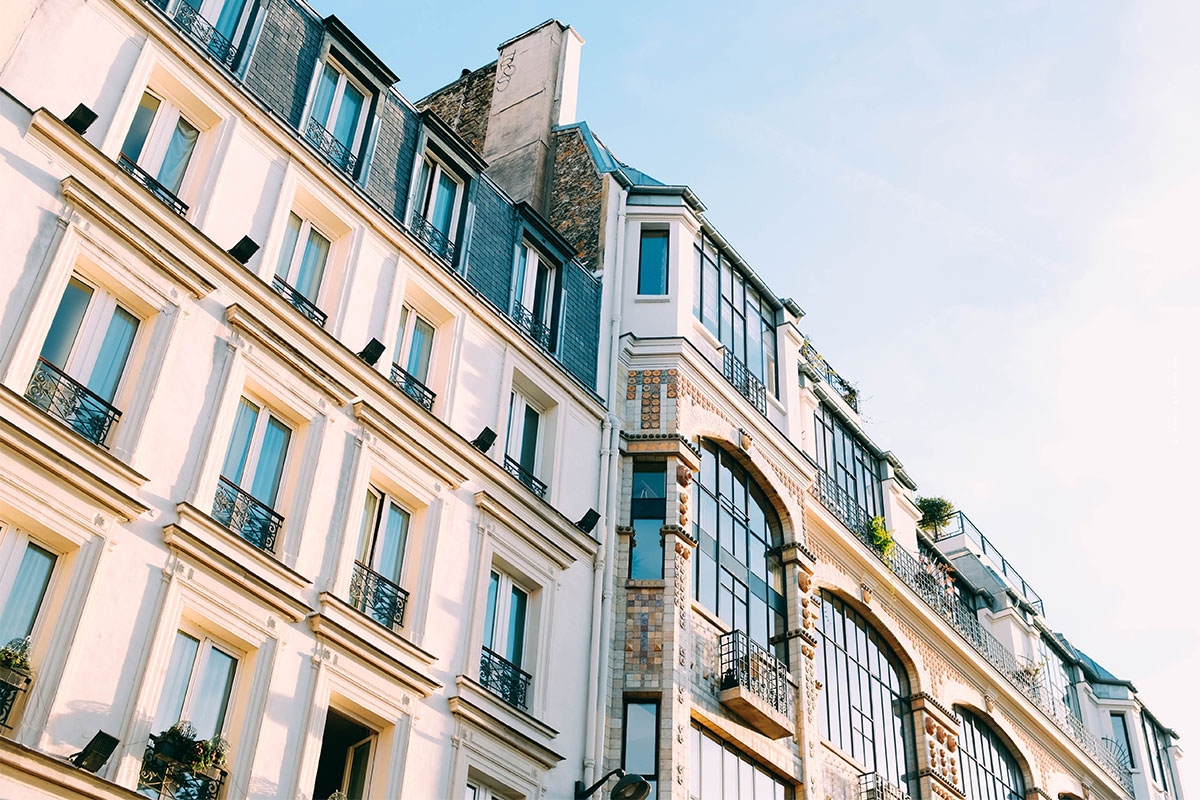
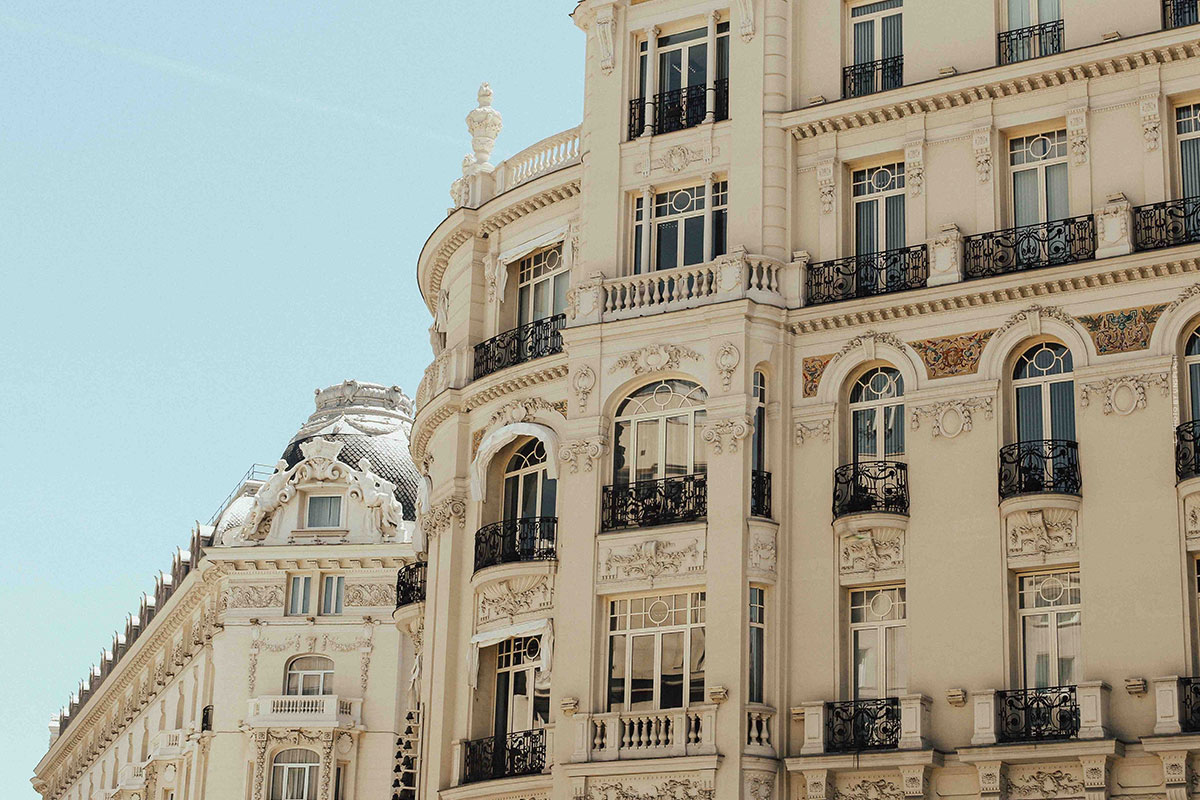
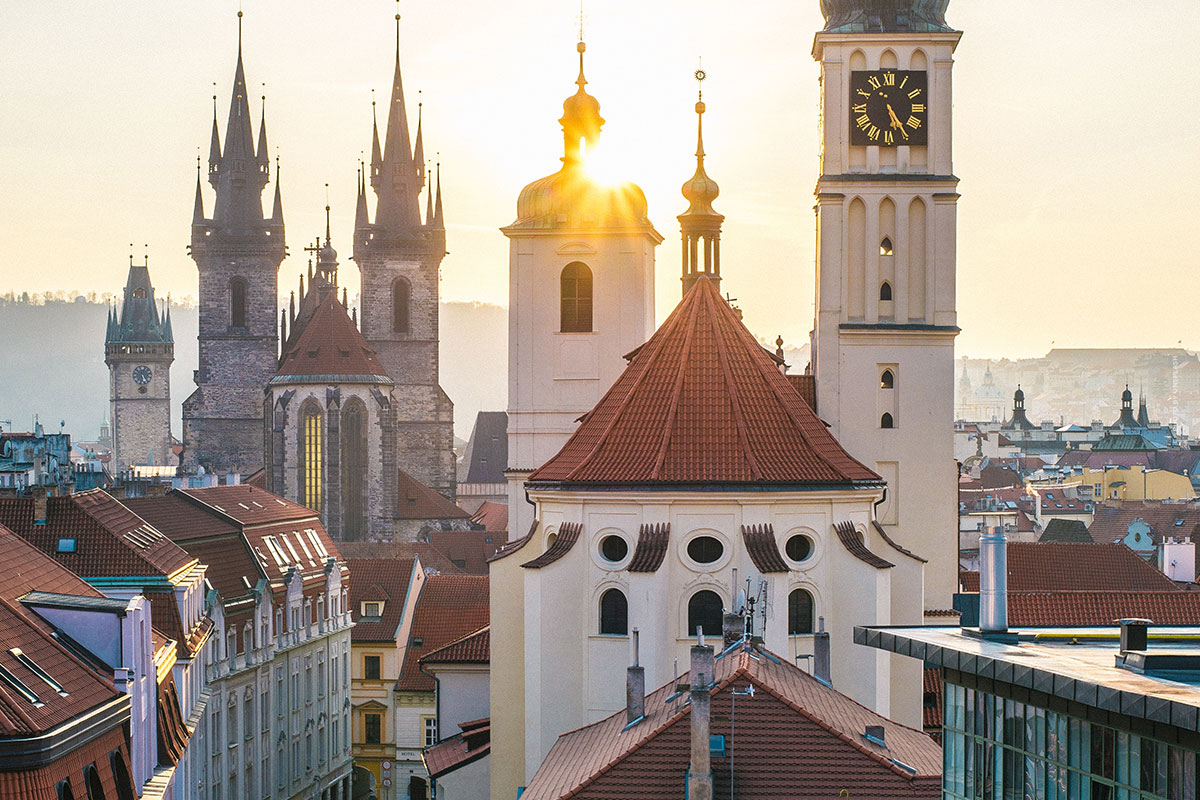
Living in Maxvorstadt — Munich’s former aristocratic district, planned under King Maximilian I., today combines classicist architecture, the highest concentration of museums and universities in Germany, and one of the tightest premium real estate markets in the country. With LMU, TU München, the Pinakotheken and the Königsplatz ensemble all within walking distance, Maxvorstadt attracts a unique tenant mix: well-off students with parental guarantors, young academics, doctors from the nearby clinic district and BMW expats. For investors, this translates into stable demand, low vacancy and price levels that rival Bogenhausen, Neuhausen-Nymphenburg, Schwabing and Lake Starnberg. Below: micro-locations, square metre prices, gross rental yield scenarios, the most expensive streets and a clear comparison with other top Munich districts. Looking to invest, buy a flat or a plot? Welcome to Maxvorstadt.
Living in Maxvorstadt: student quarter with classicist DNA
Planned more than 200 years ago in the name of King Maximilian I. Joseph, Maxvorstadt was Munich’s first systematically extended district outside the medieval city walls. The right-angled street grid, the wide boulevards (Brienner Straße, Ludwigstraße) and the classicist façades by Leo von Klenze and Friedrich von Gärtner are still visible today — and they are the reason Maxvorstadt feels less Bavarian and more „Athens on the Isar“. Around 54.000 residents share the district on roughly 4,3 km², which makes it one of the most densely populated quarters in Munich.
The defining factor for any investor: Maxvorstadt is the academic core of Bavaria. LMU München and TU München together host more than 100.000 students, and a relevant share lives within walking distance. Add the cluster of museums (Alte, Neue and Moderne Pinakothek, Lenbachhaus, Brandhorst, Glyptothek), the Bavarian State Library, the Bavarian State Archive and dozens of galleries — and you have a district where cultural infrastructure permanently underpins demand.
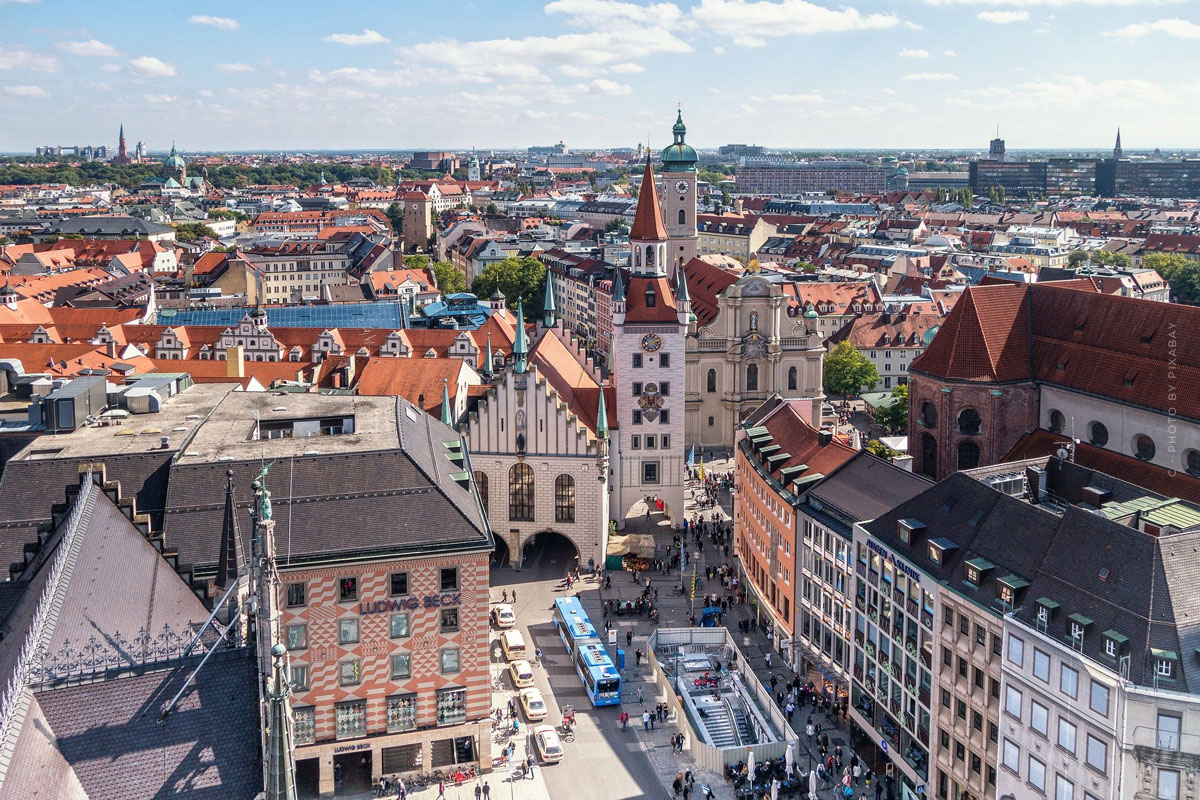
Welcome to Munich: the capital of Bavaria
As one of Germany’s most important economic metropolises, Munich combines low unemployment, a booming tech and life sciences sector and the headquarters of BMW, Siemens, Allianz and MunichRe. With around 1,7 million inhabitants Munich is Germany’s third-largest city — and structurally undersupplied with housing. Net migration remains positive, completion rates lag behind demand, and rental price caps (Mietpreisbremse, Milieuschutz) further reduce supply on the market. For property owners, this scarcity is the single most important driver of long-term capital appreciation.
Maxvorstadt: map, location and micro-quarters
Maxvorstadt sits directly north-west of the Altstadt, bordered by Schwabing in the north, Lehel in the east, the Altstadt in the south and Neuhausen in the west. Within the district itself, prices and atmosphere differ significantly between micro-quarters:
Königsplatz / Museumsviertel — most prestigious, classicist ensemble, highest prices per m².
Alter Botanischer Garten / Karlsplatz edge — proximity to Hauptbahnhof, mixed-use, value-add potential.
Transport and infrastructure: why tenants pay a premium
Few Munich districts are as well connected. Five U-Bahn lines (U1, U2, U3, U4, U5, U6) and tram lines 27/28 run through Maxvorstadt, with central transfer stations at Stachus (Karlsplatz), Hauptbahnhof and Odeonsplatz at the doorstep. Hauptbahnhof reaches the airport in roughly 40 minutes via S-Bahn; the A9 motorway towards Berlin is accessible within 15 minutes. For tenants, this means: no car needed — and that, in turn, justifies higher rents.
Places of interest: the cultural core of Munich
Maxvorstadt is home to Germany’s densest concentration of museums and one of the most photographed squares in Bavaria — Königsplatz with its Propylaea. The cultural infrastructure is not just nice to have; it is a permanent yield-stabilizer because it keeps demand from cultural professionals, expats and academics structurally high.
Brienner Straße & Königsplatz: classicist grandeur
Brienner Straße is one of Munich’s four royal avenues and connects the Altstadt with Königsplatz. The classicist Propylaea, Glyptothek and Antikensammlungen form an ensemble that gives the area an almost Athenian atmosphere. Properties here are predominantly representative Altbauten with high ceilings, stucco, parquet and listed-building status (Denkmalschutz). Prices per m² for refurbished condominiums regularly exceed 13.000 €/m², penthouses with view over Königsplatz can reach 18.000–22.000 €/m².
Adalbertstraße: noble Altbau near Schwabing border
Adalbertstraße runs parallel to Schellingstraße and connects the LMU campus with the Alter Nordfriedhof, today a popular green space. The street is lined with Gründerzeit-Altbauten with elaborate stucco façades. Demand drivers: walking distance to LMU, Türkenstraße cafés and Schwabing. Typical asking prices: 11.000–14.000 €/m² for refurbished condominiums.
Akademiestraße: refurbished Altbau and existing properties
Directly opposite the Akademie der Bildenden Künste, Akademiestraße offers the classic Maxvorstadt mix: late 19th-century Altbau, often with central courtyard, partially modernised. The street is quieter than the surrounding axes — a key value-driver in dense Munich. Asking prices: 10.500–13.000 €/m².
Richard-Wagner-Straße: villas and Romeis architecture
One of the few addresses in Maxvorstadt with detached villa-style architecture, Richard-Wagner-Straße was developed in the late 19th century with buildings designed by Leonhard Romeis. The street borders the Alter Botanischer Garten / Stiglmaierplatz and is among the few locations where freestanding houses change hands at all — typically off-market. Indicative asking levels: 14.000–17.000 €/m² for refurbished objects in prime sub-locations.
Real estate & price per square metre in Maxvorstadt
Maxvorstadt is dense — green space and building plots are scarce. New-build supply consists almost exclusively of carefully integrated infill projects (Baulücken) or attic conversions (Dachgeschossausbau). The classicist and Gründerzeit Altbau stock dominates and defines pricing. The price gap between houses (rare, often shared ownership in Mehrfamilienhäuser) and condominiums is unusually large because freestanding houses essentially do not exist on the open market.
Square metre prices: buy
Property type
Price per m² (asking)
Comment
Condominium (Altbau, refurbished)
10.500–14.000 €/m²
Most liquid segment
Condominium (new build)
13.000–17.000 €/m²
Very limited supply
Penthouse / prime location
16.000–22.000 €/m²
Königsplatz, Brienner Str.
Mehrfamilienhaus (Zinshaus)
9.000–12.000 €/m²
Mostly off-market
House (rare, mostly Reihenend / Stadthaus)
~5.000–8.000 €/m² Grundstücksanteil
Almost no supply
Square metre prices: rent (cold)
Segment
Cold rent €/m²
Altbau, unrefurbished
17–20 €/m²
Altbau, refurbished
20–25 €/m²
New build
22–28 €/m²
Furnished serviced apartments
30–45 €/m²
Indication: average new-letting rents have risen by roughly 30 % over the past 15 years, driven by constant tenant turnover and Mietpreisbremse exemptions on new builds and comprehensive refurbishments.
Investor scenario: 2-room Altbau condominium
A typical Maxvorstadt investment case for an investor focusing on student / young professional rentals:
The thin gross yield is typical for prime Munich and is essentially the price for capital security and value appreciation. Investors with a longer horizon model in 2,5–3,5 % p.a. capital appreciation, which historically has been the dominant return component in this district. For a higher cash yield, a Mehrfamilienhaus in Marsfeld or Stiglmaierplatz can deliver 2,5–3,0 % gross — still below the German average but with significantly stronger downside protection.
Maxvorstadt vs. comparable Munich districts
District
Condo €/m²
Cold rent €/m²
Tenant profile
Maxvorstadt
10.500–14.000
20–25
Students, young academics, expats
Schwabing
11.000–15.000
21–26
Creatives, professionals, families
Lehel
12.000–16.000
22–27
Wealthy individuals, downsizers
Glockenbachviertel
11.500–15.500
22–27
Creatives, gastronomy, LGBT+
Bogenhausen
10.000–14.500
19–24
Families, professionals
Grünwald
11.000–18.000
20–26
Wealthy families, executives
Buyer’s due-diligence checklist for Maxvorstadt
Denkmalschutz: many Altbauten are listed — check Sonderabschreibungen (§ 7i / § 10f EStG), but also restrictions on windows, façade and floor plans.
Milieuschutz / Erhaltungssatzung: parts of Maxvorstadt fall under preservation statutes — restrictions on conversion of rental flats into condominiums (Umwandlungsverbot) and modernization caps.
WEG protocols (last 5 years): Altbau Mehrfamilienhäuser frequently face Sanierungsstau (roof, façade, heating) — request Instandhaltungsrücklage and beschlossene Sonderumlagen.
Heating system: GEG / Heizungsgesetz compliance — Gasetagenheizungen need a replacement plan.
Energy certificate: Altbauten often class F–H — factor in ~600–1.200 €/m² for energy-related refurbishment.
Tenant situation: Mietpreisbremse plus Münchner Mietspiegel — verify whether current rent is at or below cap.
Floor plan: high ceilings (3,2–3,8 m) drive premium, but also heating costs.
Stellplatz: rare and valuable — separate Tiefgaragenplatz adds 35.000–60.000 € to value.
FAQ: living and investing in Maxvorstadt
How much does a flat in Maxvorstadt cost?
Refurbished Altbau condominiums trade between 10.500 and 14.000 €/m². New builds and prime locations around Königsplatz reach 16.000–22.000 €/m². A typical 2-room flat (~65 m²) starts at around 700.000 € and easily exceeds 1 million € in top streets.
Altbau, refurbished: 10.500–14.000 €/m²
New build: 13.000–17.000 €/m²
Penthouse / prime: 16.000–22.000 €/m²
Is Maxvorstadt a good investment?
Yes — but as a long-term capital appreciation play, not a yield play. Gross rental yields are ~2,0 % for refurbished condos and up to ~3,0 % for Zinshäuser. Strengths: structurally low vacancy thanks to LMU/TU, cultural infrastructure, premium tenant pool. Weaknesses: thin yield, high entry price, Milieuschutz restrictions in parts of the district.
Pro: stable demand, low vacancy, value appreciation
Pro: top transport, top cultural infrastructure
Contra: low gross yield (~2 %)
Contra: Milieuschutz, Denkmalschutz complexity
Which streets are the most expensive in Maxvorstadt?
Brienner Straße, Königsplatz-frontages, Karolinenplatz, Richard-Wagner-Straße and the Adalbertstraße / Schellingstraße corner around LMU.
Brienner Straße — classicist representative addresses
Königsplatz / Karolinenplatz — top prestige
Richard-Wagner-Straße — rare villa-style stock
Adalbertstraße — Gründerzeit Altbau, university proximity
Who lives in Maxvorstadt?
The tenant mix is unusually skewed towards academics: LMU and TU students (often with parental guarantors), young professionals from BMW, Siemens and the surrounding clinics, expats, cultural professionals from the museum and gallery scene, and a stable base of long-term Altbau residents under rent control.
Can I still find a plot of land in Maxvorstadt?
Practically no. Free building plots are essentially non-existent. Investment opportunities arise via attic conversions (Dachgeschossausbau), Aufstockung, or off-market Mehrfamilienhaus purchases with redevelopment potential. Off-market access is decisive in this district.
https://lukinski.de/wp-content/uploads/2021/04/maxvorstadt-muenchen-bayern-wohnen-leben-immobilien-kaufen-wohnung-grundstueck-haus-mehrfamilienhaus-altbau-himmel.jpg8001200Laura/wp-content/uploads/2024/04/lukinski-logo-real-estate-investment-germany-house-villa-off-market-clean.svgLaura2021-04-23 21:16:062026-04-27 09:11:22Living in Maxvorstadt (Munich): Buy & Rent Flats and Properties – Popular Streets, Prices per Square Metre & Co.